
Wedding Guides for Mallorca & the Balearics
Editorial guides to regions and wedding formats in Mallorca and Ibiza — fincas, beaches, Palma, the Tramuntana and the north: venues, formats and what to plan for.
 Destination Guide
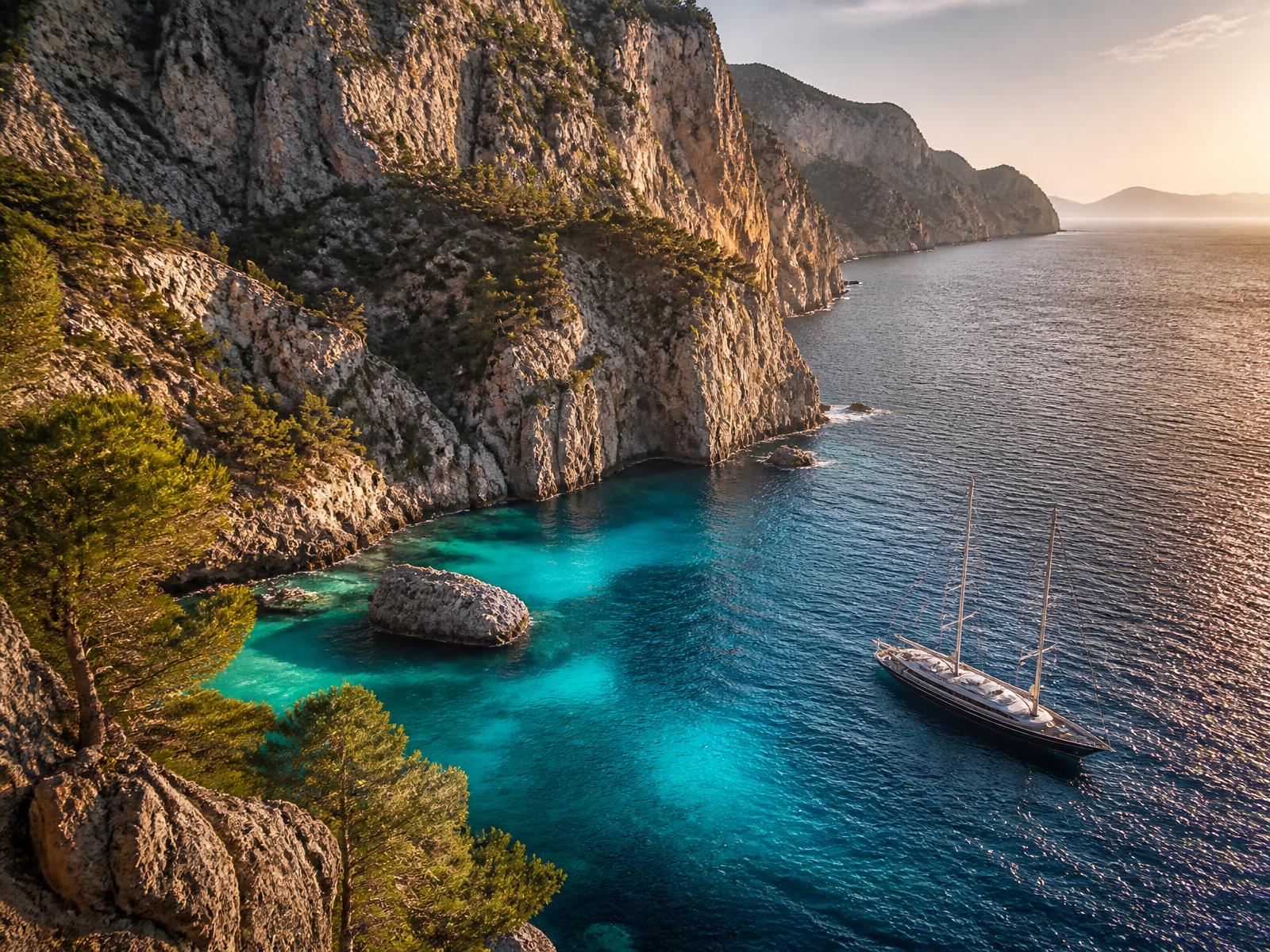
Destination Weddings in Mallorca
Mallorca combines Mediterranean light, Tramuntana mountains and centuries-old fincas within a one-hour drive of an international airport — which is why it has become Europe's most reliable island for a luxury destination wedding.
Read guide →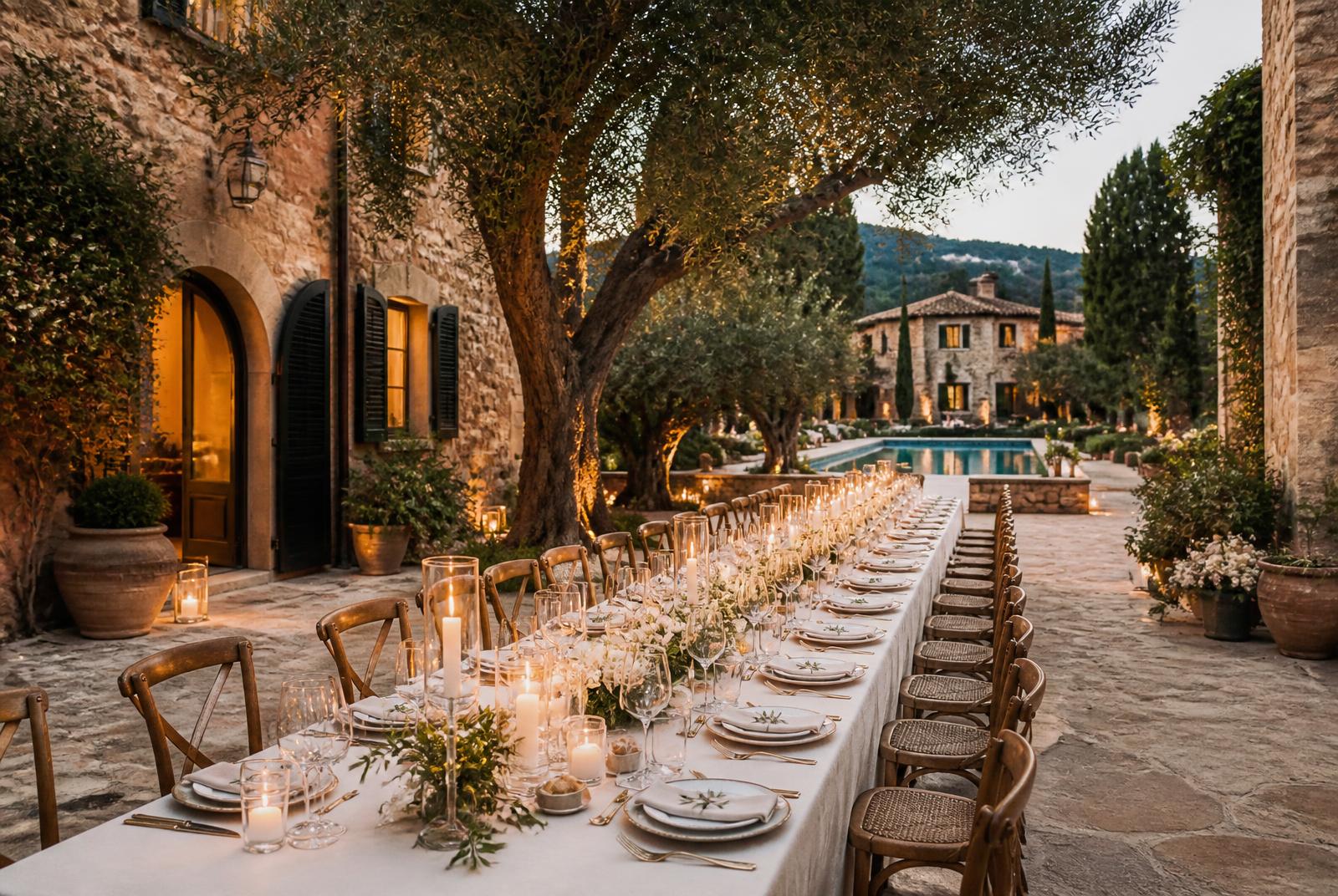 Venue Guide
Finca Weddings in Mallorca
A finca is the classic Mallorca wedding: a private sandstone estate with olive trees, a walled courtyard for the ceremony and dinner under strings of light. It is also the most production-heavy format on the island.
Read guide →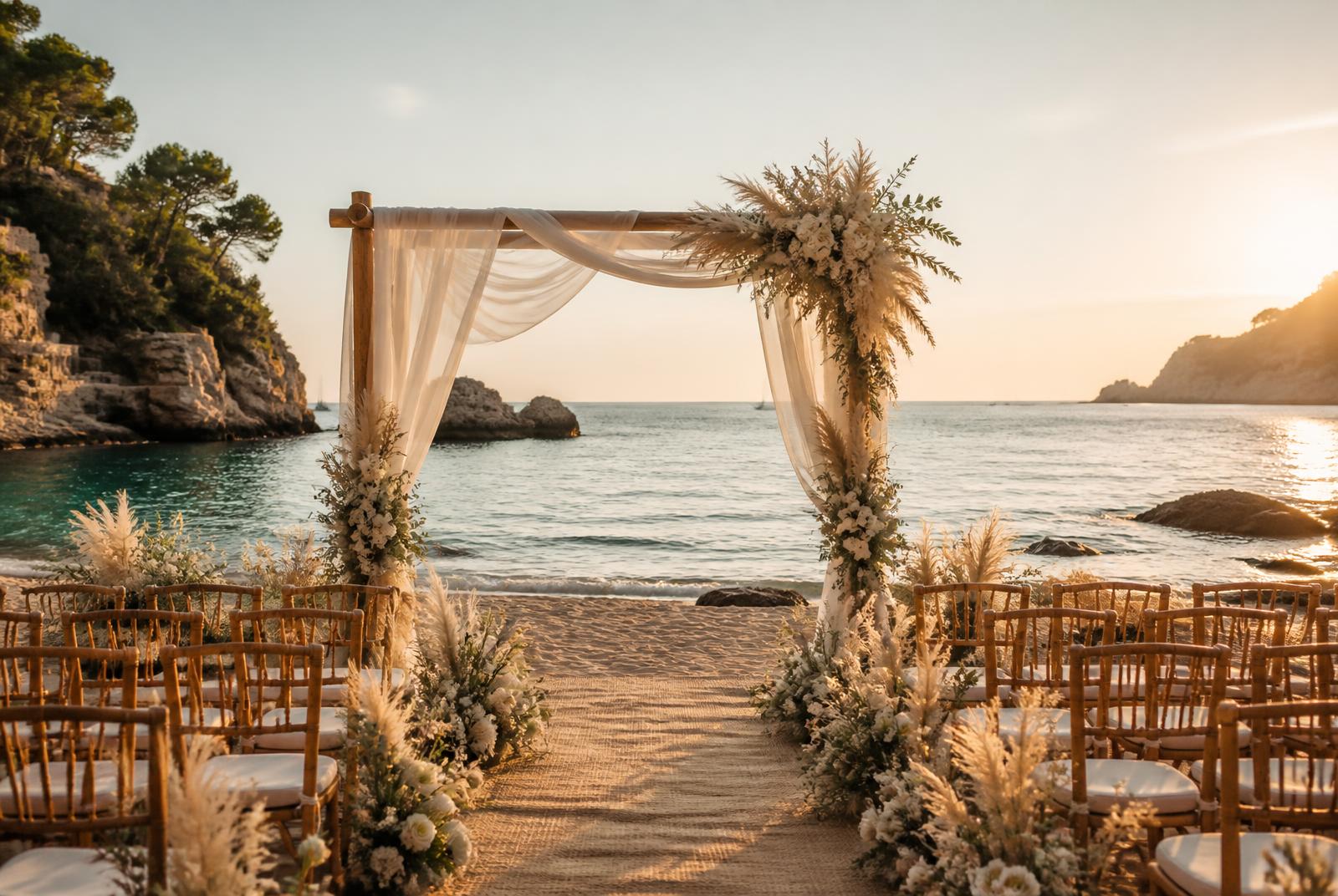 Venue Guide
Beach Weddings in Mallorca
Barefoot ceremonies on the sand, a long table above a cove, and a sunset that does the decorating for you — Mallorca's south and east coast are built for coastal weddings.
Read guide →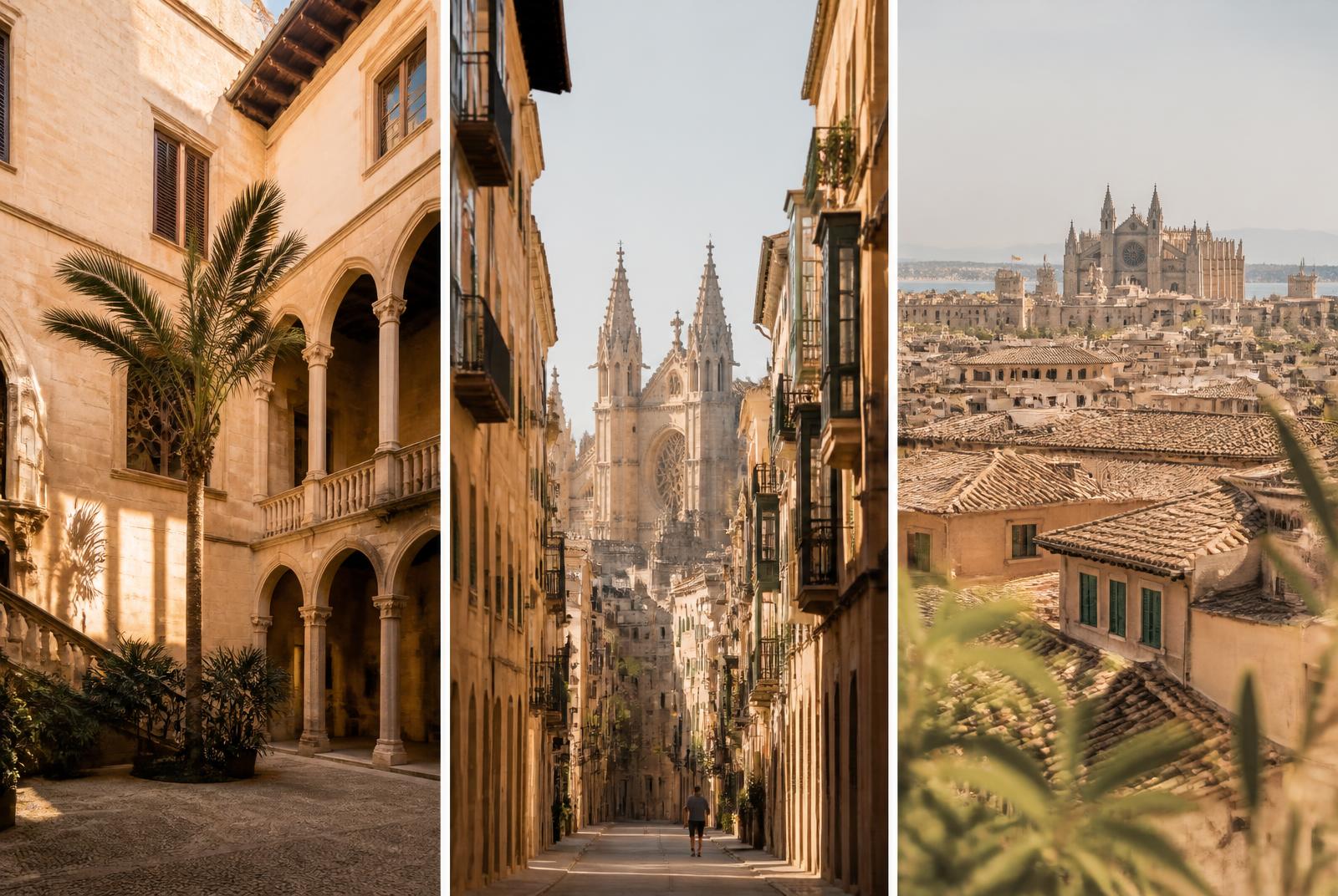 City Guide
Weddings in Palma de Mallorca
Palma is the island's only true city wedding: Gothic architecture, courtyard palaces, rooftop terraces over the cathedral and enough hotel rooms that no guest needs a transfer.
Read guide →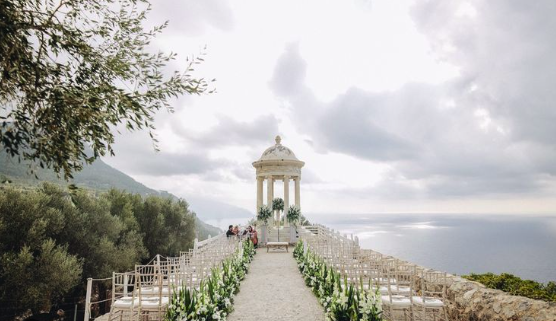 Region Guide
Weddings in the Serra de Tramuntana
The UNESCO-listed Tramuntana range gives Mallorca its most dramatic weddings: terraced olive groves, stone villages and estates that look straight down onto the sea from 300 metres up.
Read guide →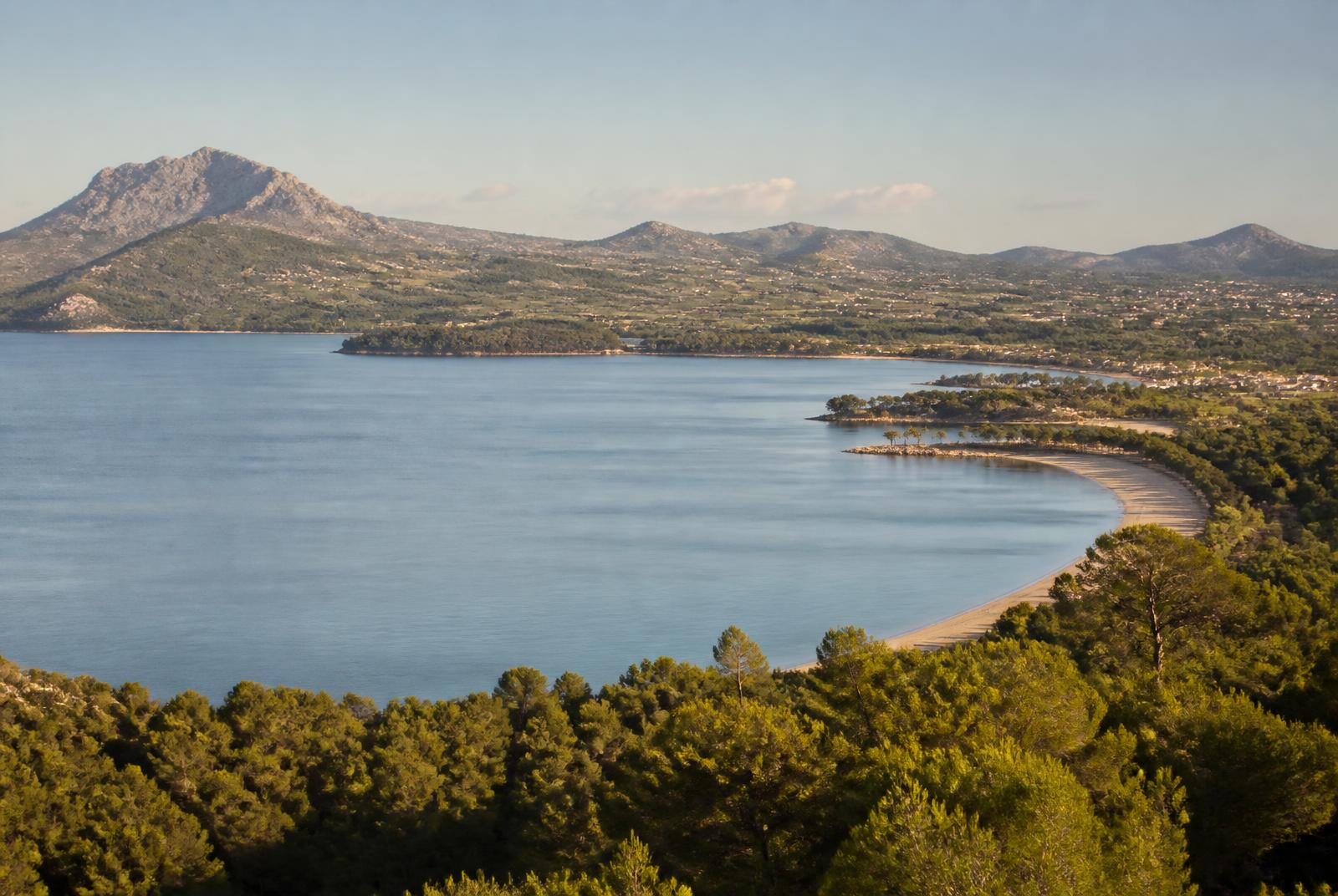 Region Guide
Weddings in Pollença, Alcúdia & the North
Northern Mallorca trades the polish of the southwest for wide bays, pine-backed beaches and country estates at the foot of the Tramuntana — usually at a noticeably lower venue cost.
Read guide →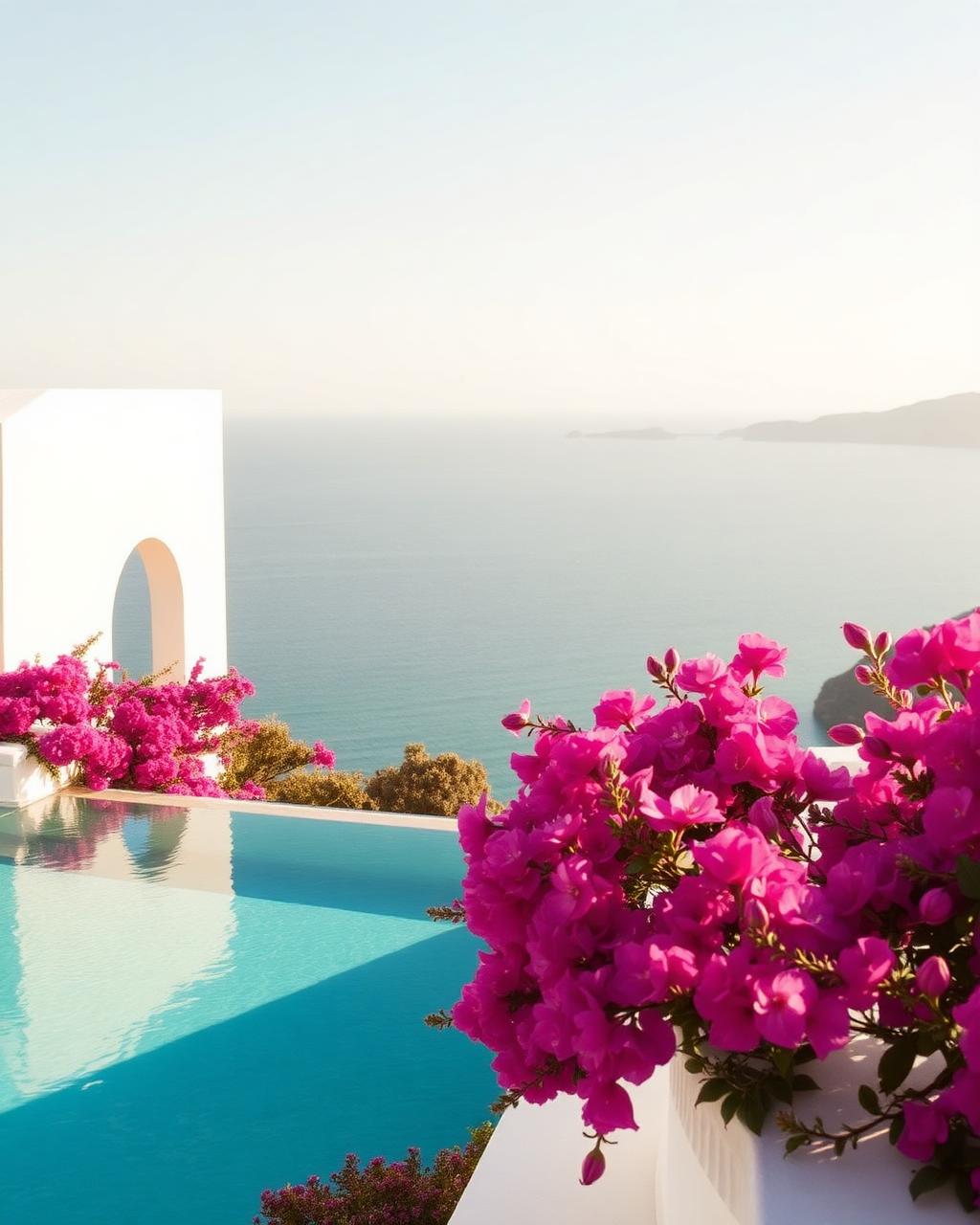 Destination Guide
Ibiza Wedding Venues
Ibiza works for couples who want the ceremony to feel like an island evening rather than a ballroom: whitewashed fincas in the hills of the north, cliff terraces looking at Es Vedrà, and beach clubs in the south that turn dinner into a late-night party without moving location.
Read guide →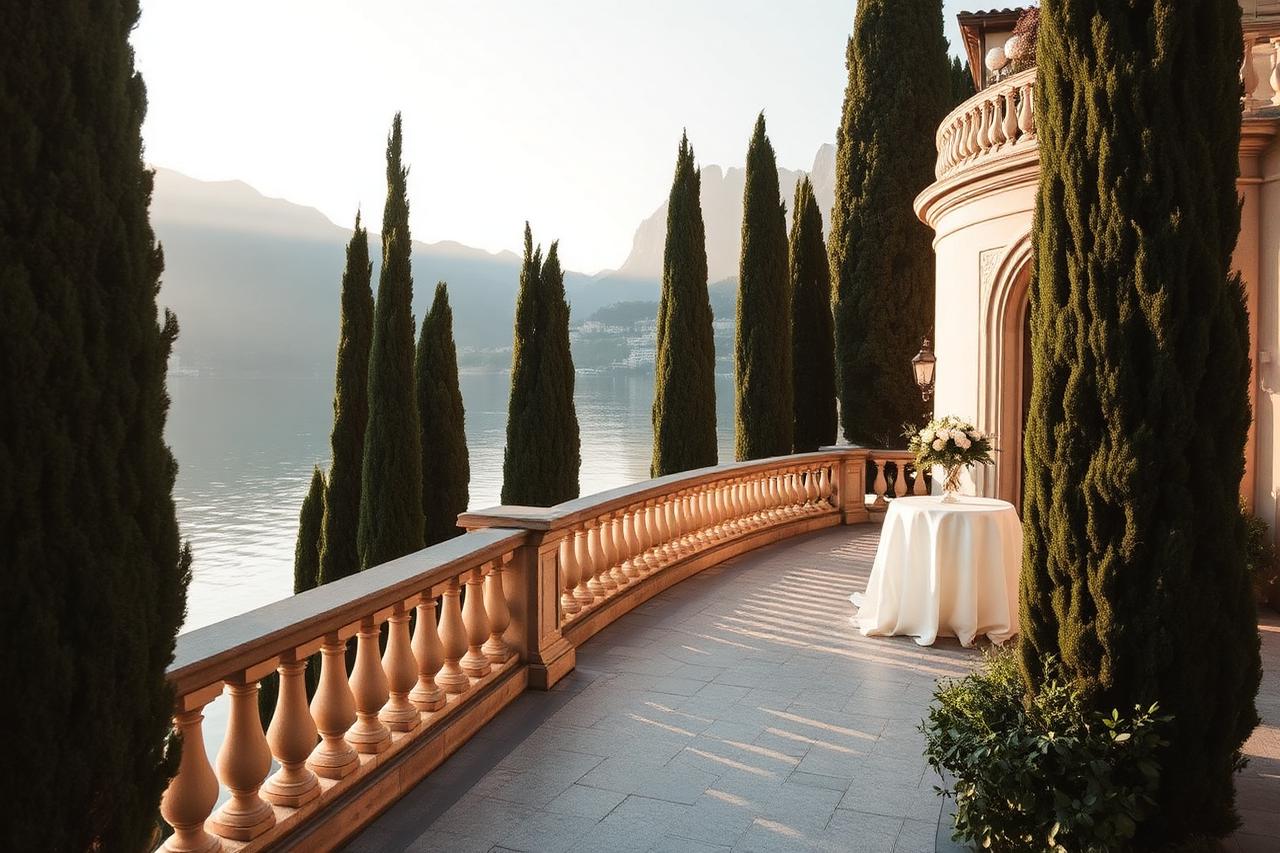 Destination Guide
Lake Como Wedding Venues
Lake Como suits couples who want architecture rather than beach: nineteenth-century villas with terraced gardens, boat arrivals instead of car transfers, and a lake that photographs beautifully from late morning until the light drops behind the mountains.
Read guide →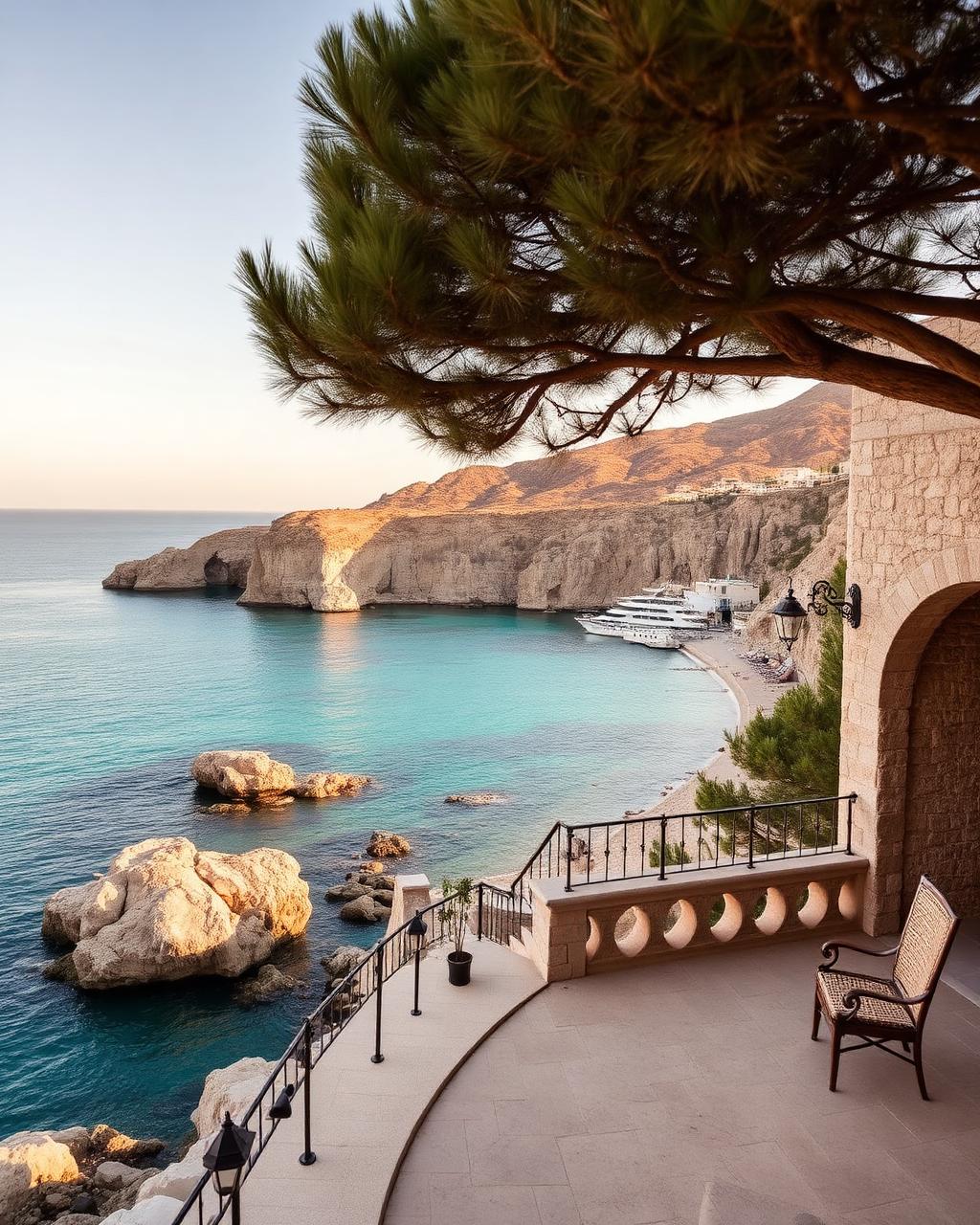 Destination Guide
Sardinia Wedding Venues
Sardinia is the Mediterranean without the queue: granite coves on the Costa Smeralda, inland stone estates near Alghero and Oristano, and a season that stays warm into October — with prices below the mainland's headline destinations.
Read guide →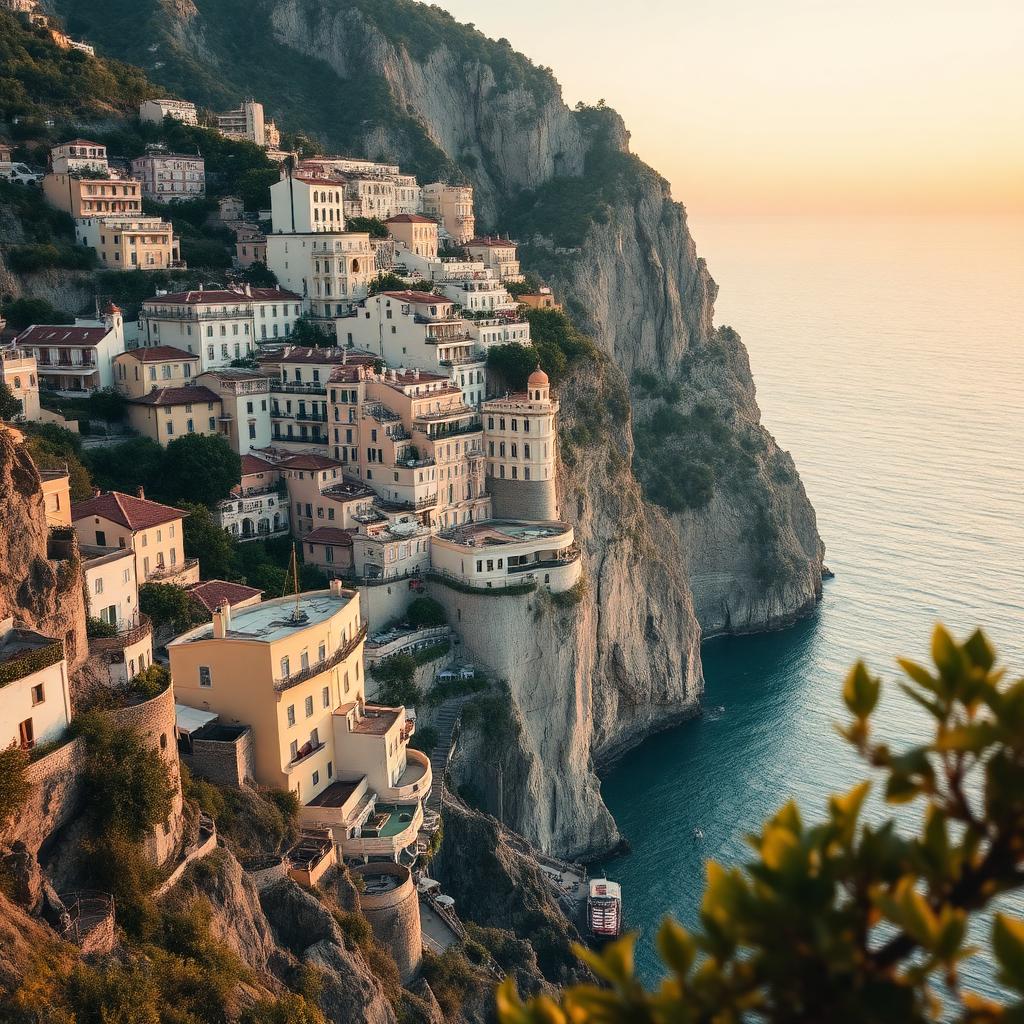 Destination Guide
Amalfi Coast Wedding Venues
The Amalfi Coast trades space for drama: cliffside terraces in Ravello, lemon-grove gardens above Positano and cloisters in Amalfi itself — venues built vertically, which shapes the guest list, the timeline and the shoes.
Read guide →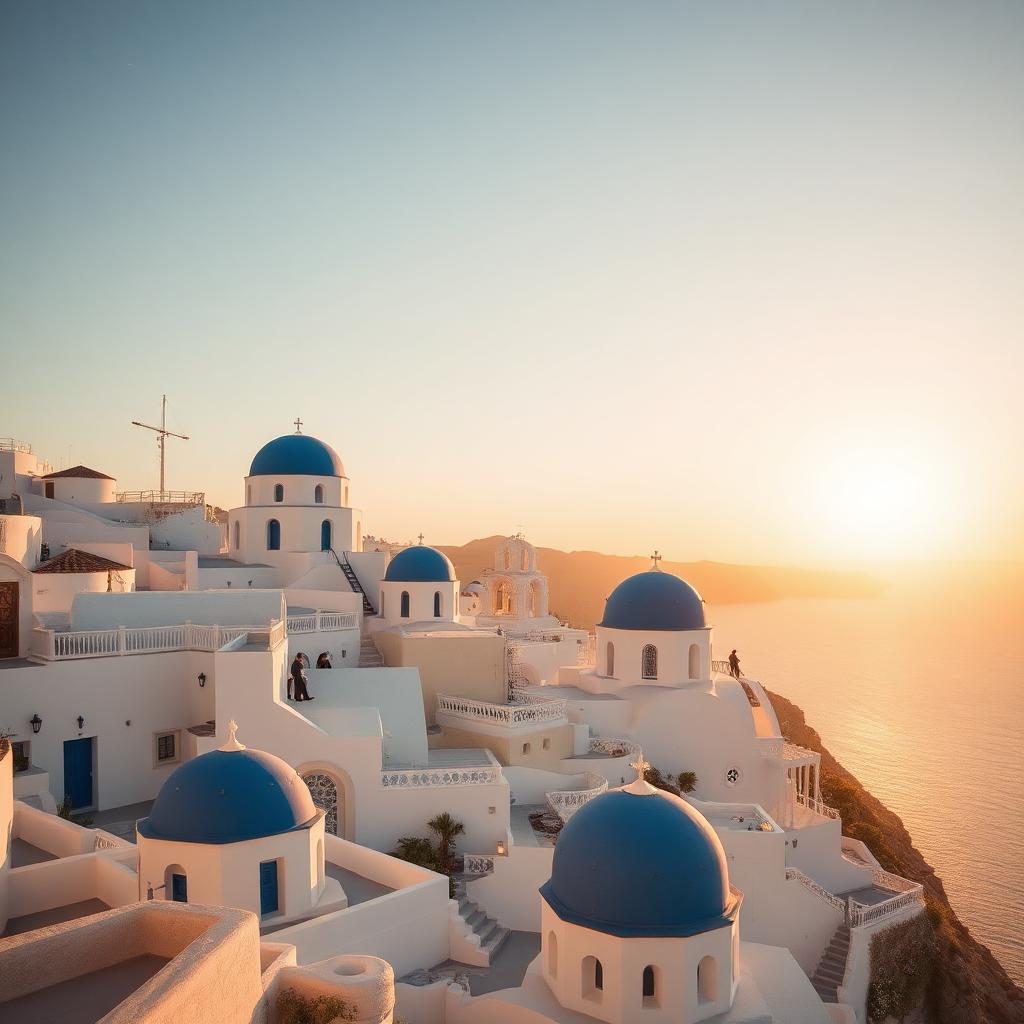 Destination Guide
Santorini Wedding Venues
Santorini is a caldera wedding or a beach wedding, and the two barely resemble each other: cliff terraces in Imerovigli and Oia built for 20 to 80 guests and a sunset ceremony, or open venues in the southeast with room for 150 and no cliff-edge logistics.
Read guide →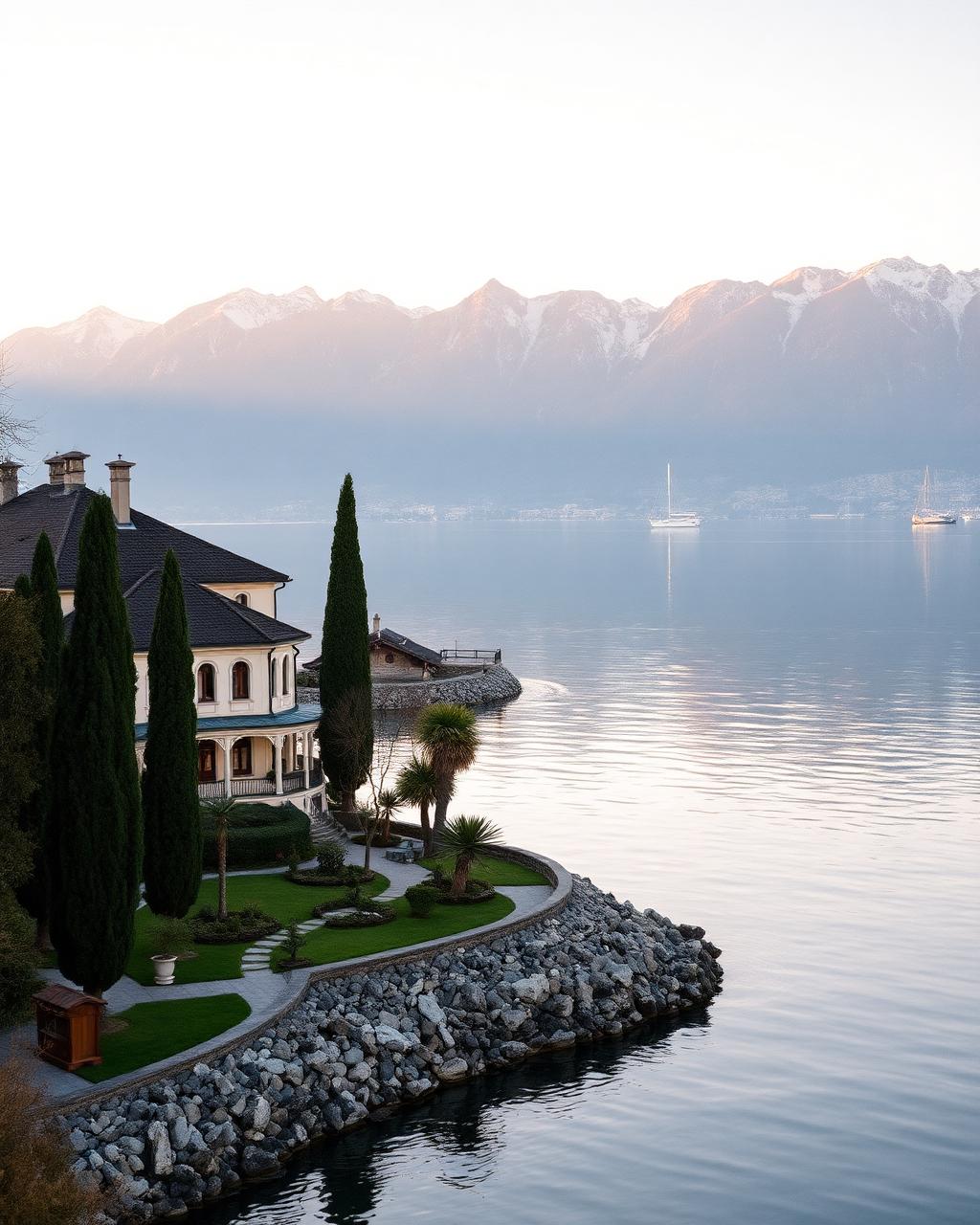 Destination Guide
Locarno & Lago Maggiore Wedding Venues
Ticino gives you Mediterranean scenery with Swiss reliability: palm-lined lake promenades in Locarno and Ascona, villa gardens above the water, and a civil registry process that foreign couples can actually complete on site.
Read guide →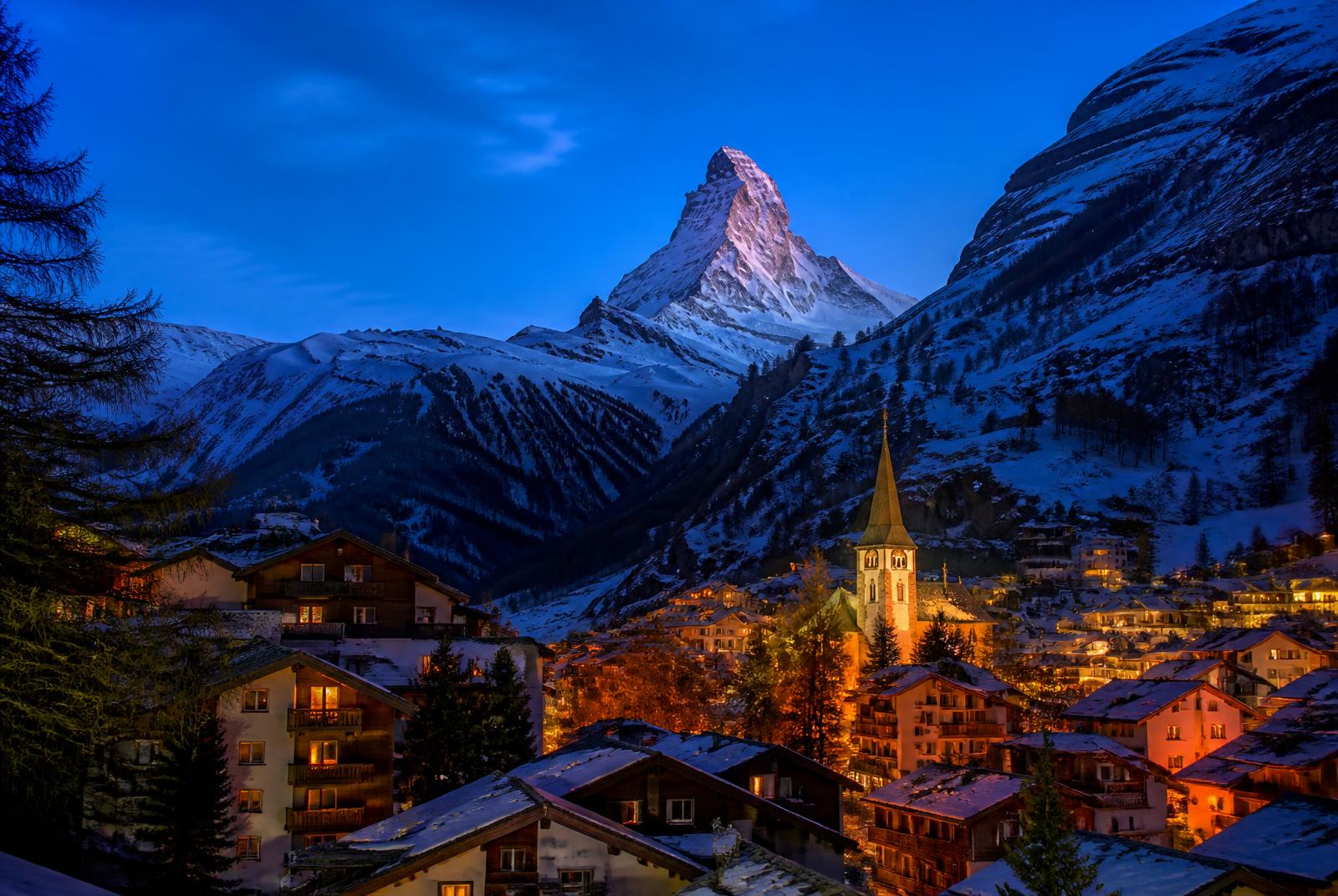 Destination Guide
Zermatt Wedding Venues
Zermatt is a car-free village under the Matterhorn, which makes it one of the few mountain destinations where the backdrop is guaranteed and the logistics are handled by the resort: chapels at altitude, hotel ballrooms in the village, and mountain restaurants reached by cable car.
Read guide →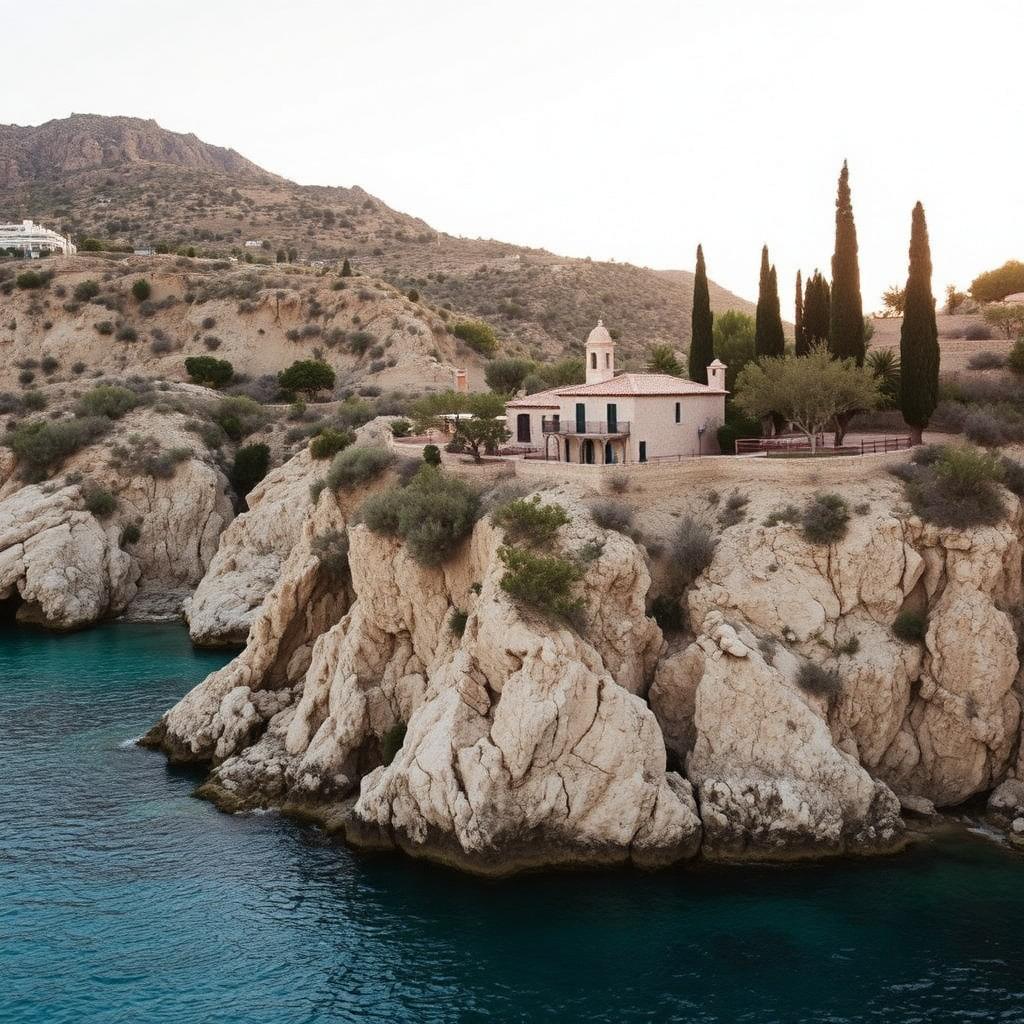 Destination Guide
Crete Wedding Venues
Crete is the one Greek island large enough for a three-day wedding: olive-grove estates inland, five-star resorts on the Elounda coast, Venetian courtyards in Chania and Rethymno, and villas with their own sea-facing terraces — with guest counts from 40 to well past 200.
Read guide →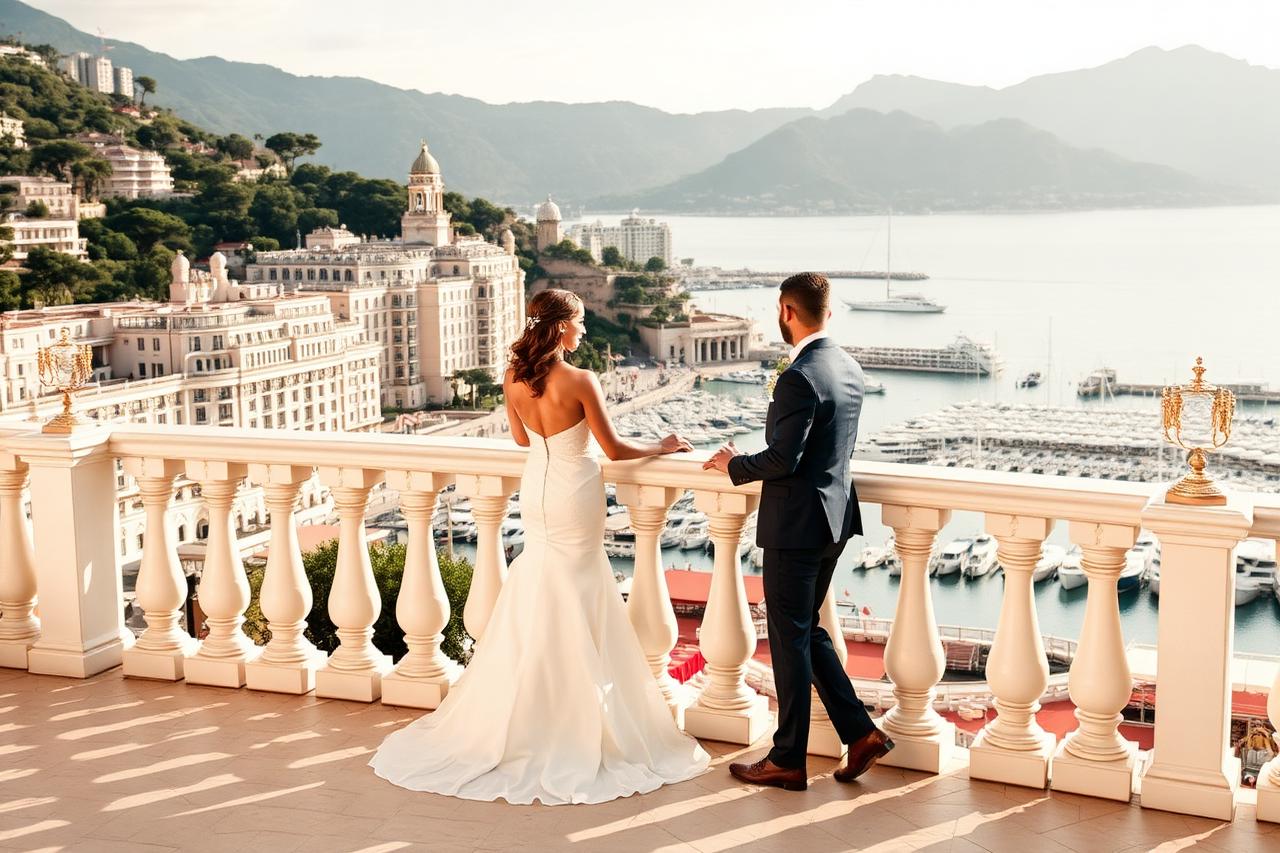 Destination Guide
Monaco Wedding Venues
Monaco is a two-square-kilometre wedding: Belle Époque ballrooms in the Casino quarter, private club terraces above Port Hercule, rooftop gardens in Larvotto and Fontvieille, and chartered yachts — everything within walking distance, and nothing rustic.
Read guide →