
Guías de boda para Mallorca y las Baleares
Guías editoriales sobre regiones y formatos de boda en Mallorca e Ibiza — fincas, playas, Palma, la Tramuntana y el norte: espacios, formatos y qué tener en cuenta.
 Guía de destino
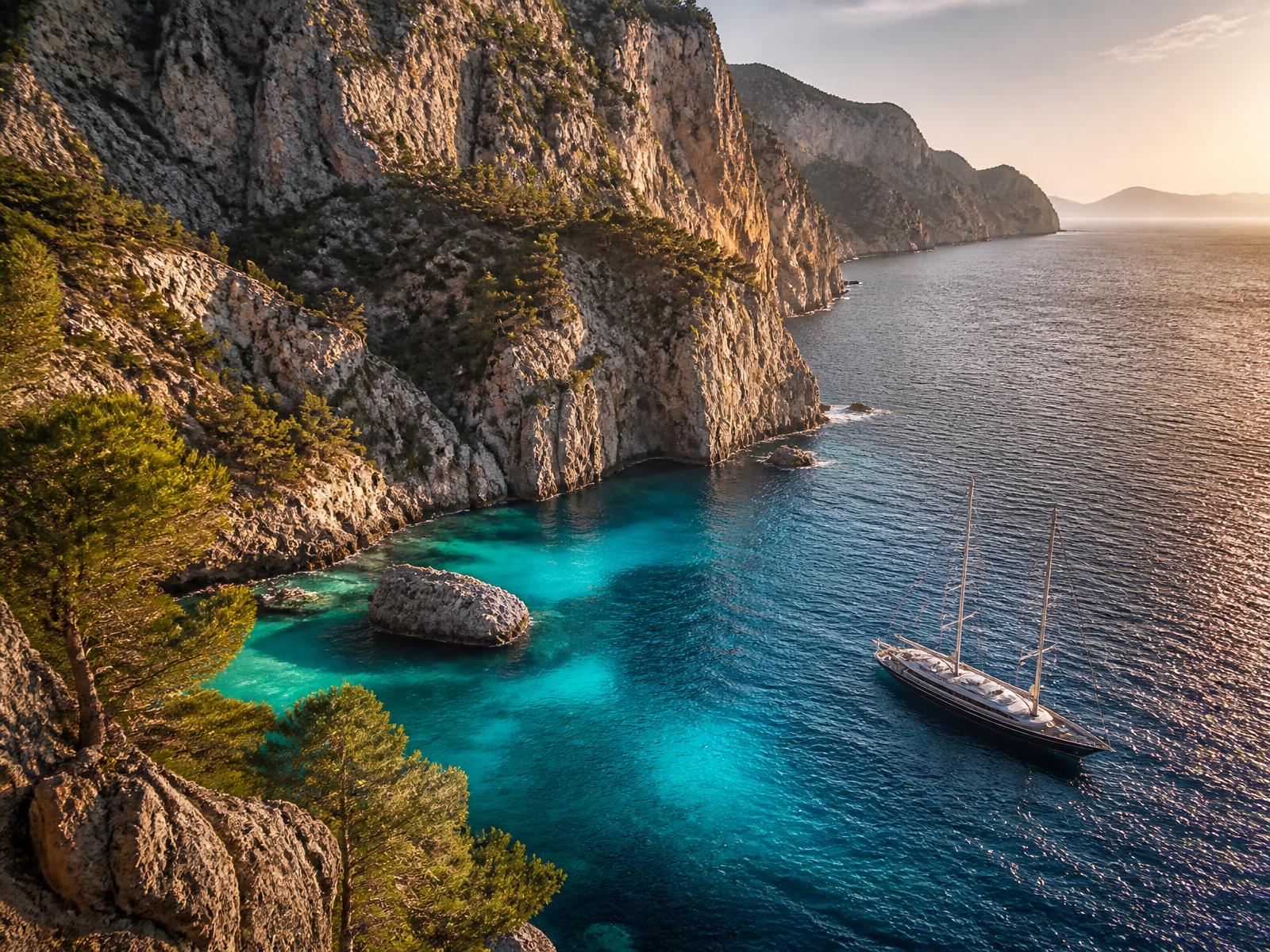
Bodas de destino en Mallorca
Mallorca combina la luz mediterránea, la Serra de Tramuntana y fincas centenarias a menos de una hora del aeropuerto internacional. Por eso es la isla más fiable de Europa para una boda de destino de lujo.
Leer la guía →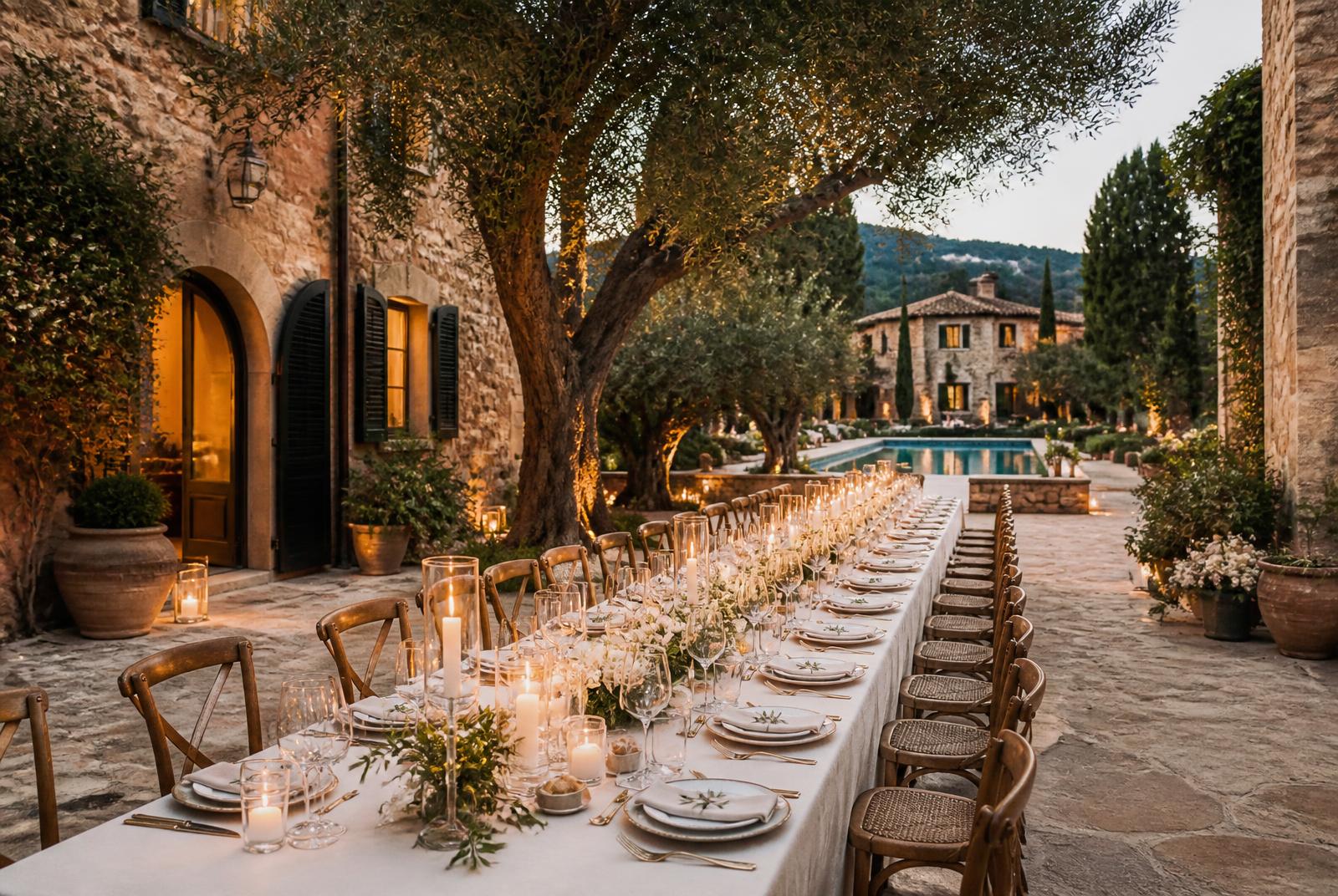 Guía de espacios
Bodas en finca en Mallorca
La finca es la boda clásica de Mallorca: una propiedad de piedra con olivos, patio para la ceremonia y cena bajo guirnaldas de luz. También es el formato con mayor carga de producción de la isla.
Leer la guía →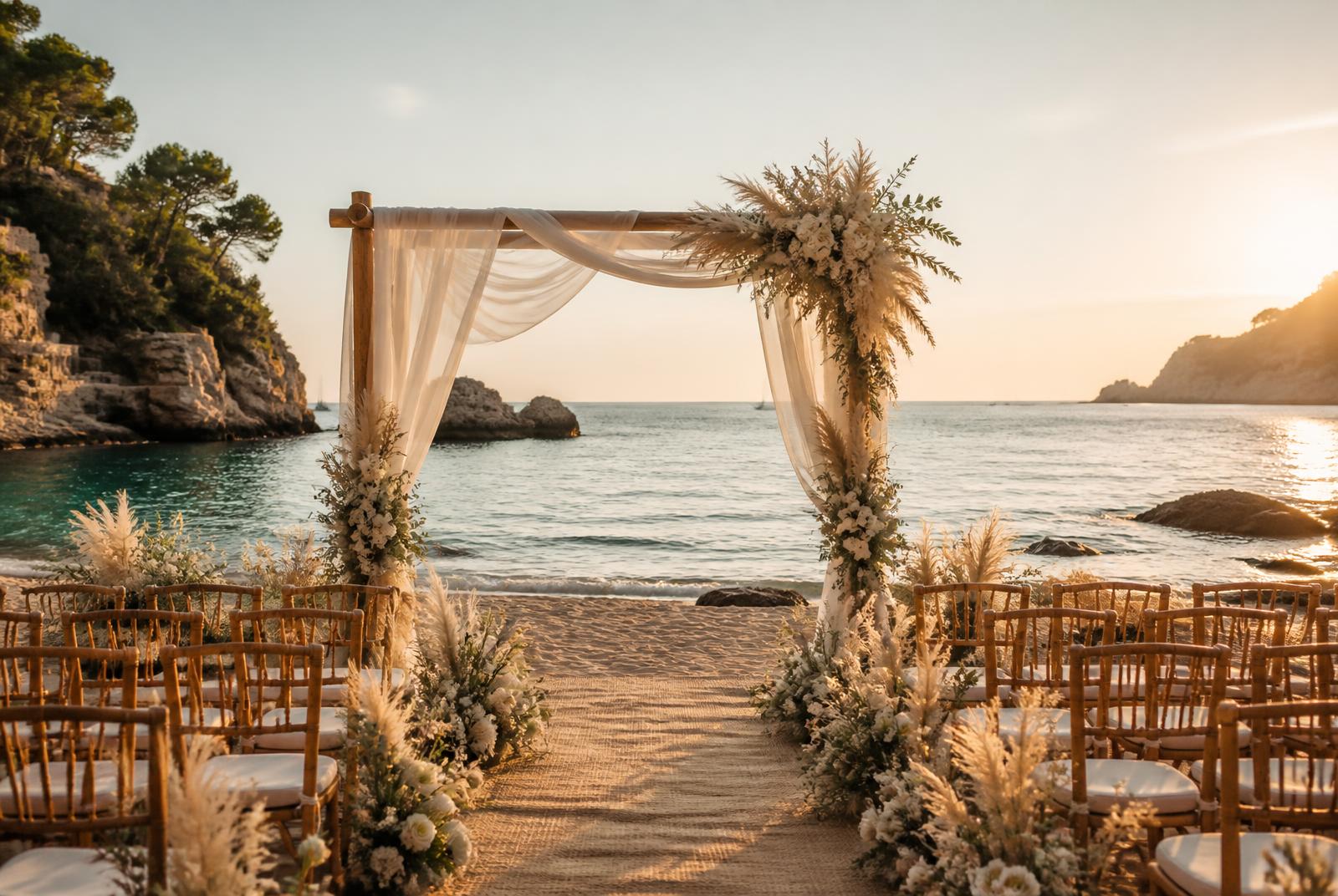 Guía de espacios
Bodas en la playa en Mallorca
Ceremonias descalzos en la arena, una mesa larga sobre una cala y una puesta de sol que decora sola: el sur y el este de Mallorca están hechos para bodas junto al mar.
Leer la guía →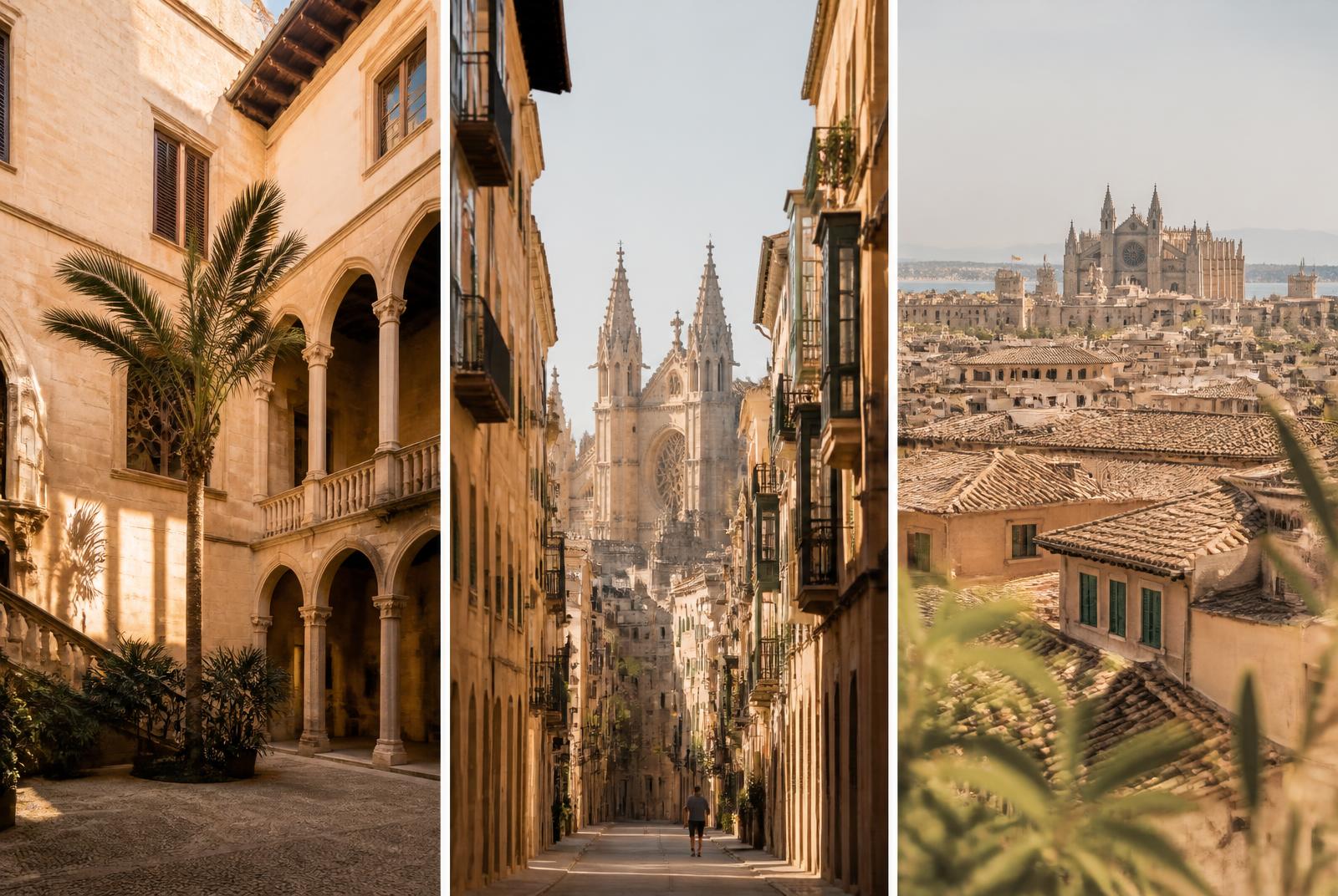 Guía urbana
Bodas en Palma de Mallorca
Palma es la única boda urbana real de la isla: arquitectura gótica, patios palaciegos, azoteas frente a la catedral y hoteles suficientes para que ningún invitado necesite traslado.
Leer la guía →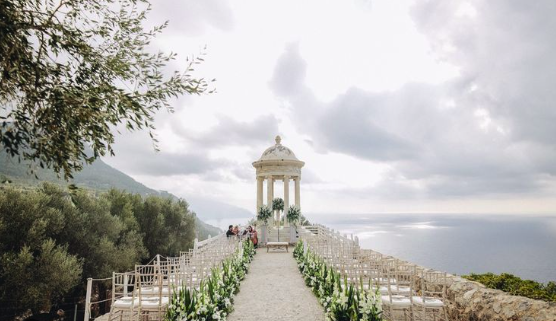 Guía de región
Bodas en la Serra de Tramuntana
La sierra de Tramuntana, Patrimonio de la Humanidad, ofrece las bodas más espectaculares de Mallorca: bancales de olivos, pueblos de piedra y fincas que miran al mar desde 300 metros.
Leer la guía →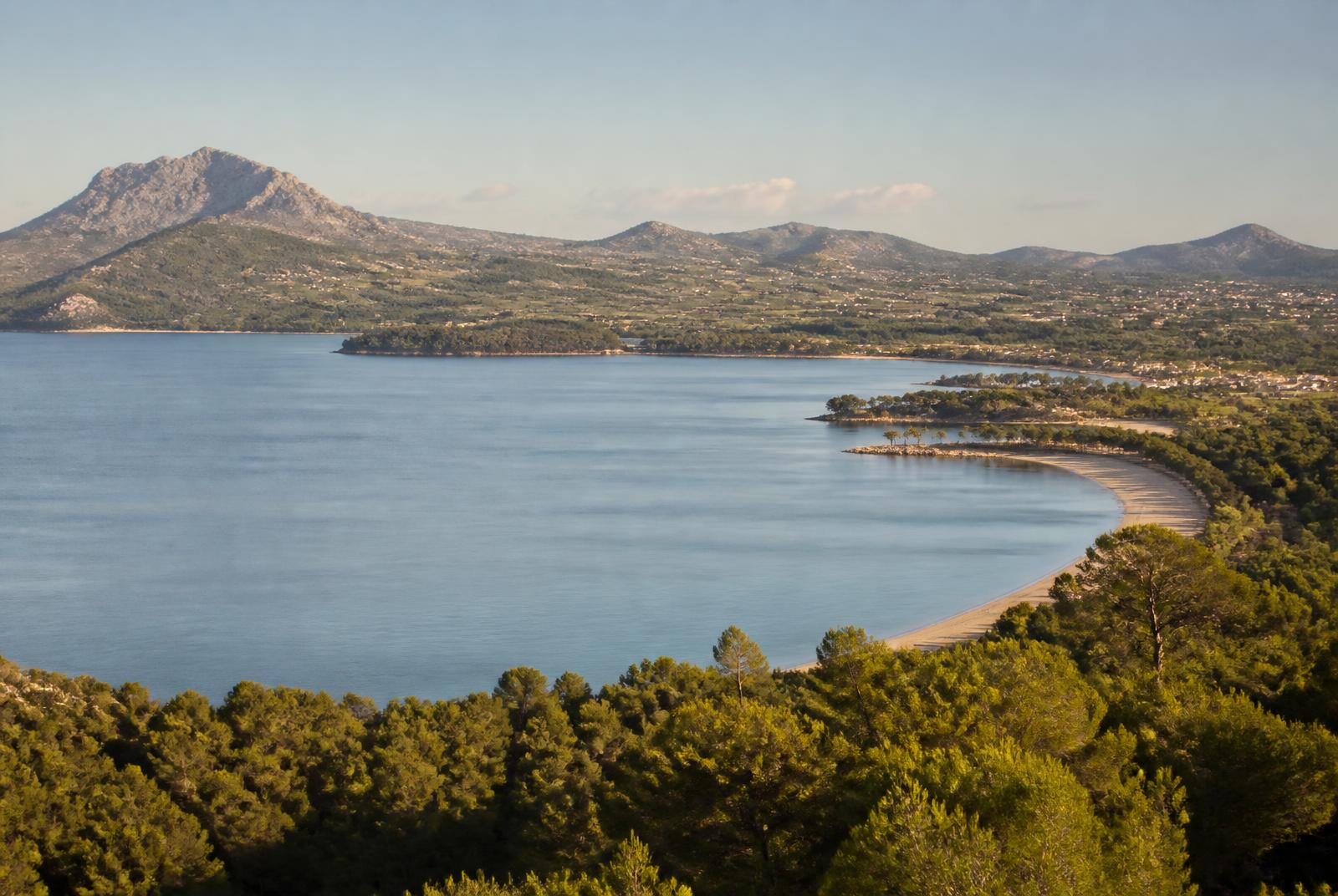 Guía de región
Bodas en Pollença, Alcúdia y el norte
El norte de Mallorca cambia el brillo del suroeste por bahías amplias, playas de pinos y fincas al pie de la Tramuntana, normalmente con precios de espacio más bajos.
Leer la guía →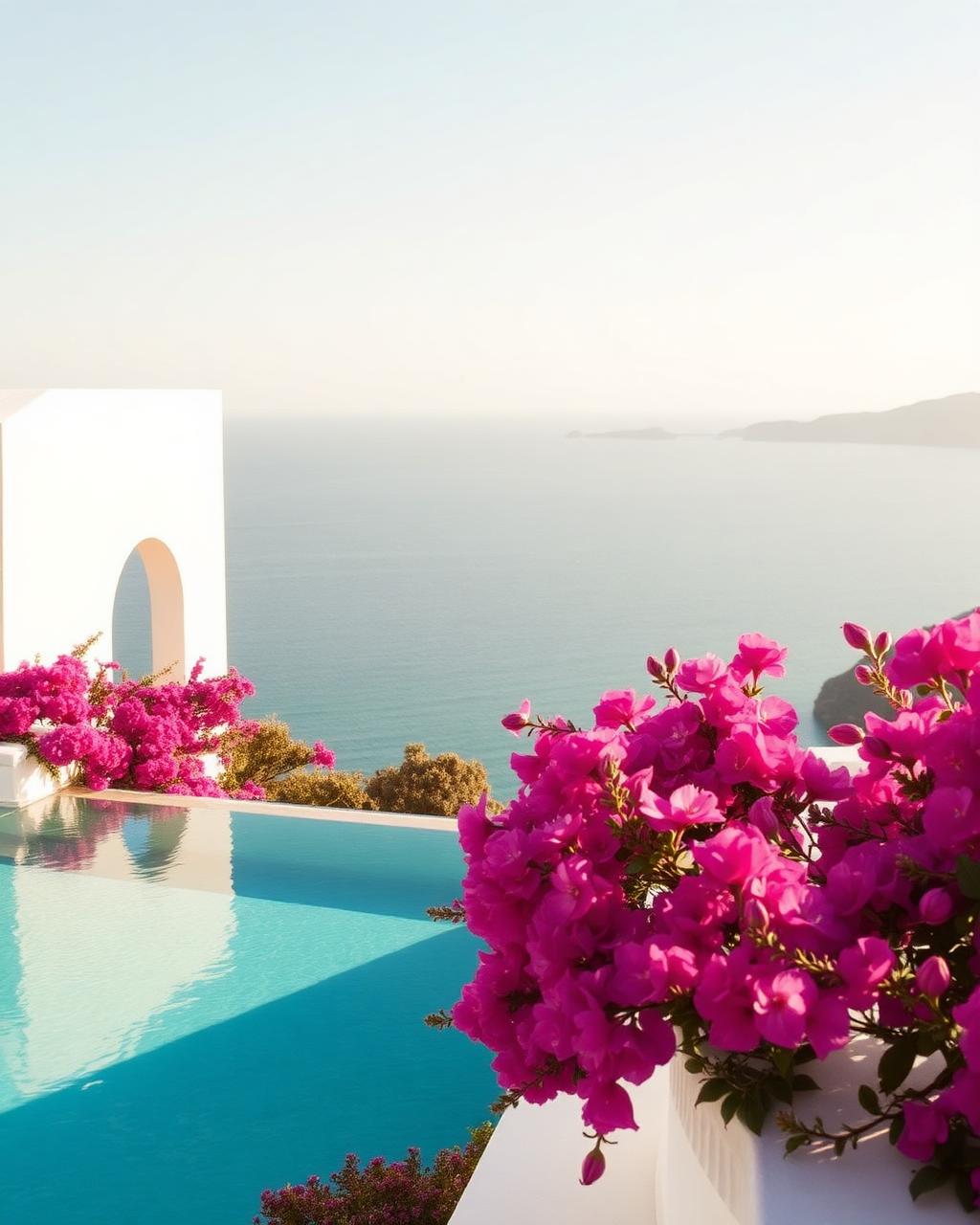 Guía de destino
Espacios para bodas en Ibiza
Ibiza es para parejas que quieren una noche de isla y no un salón: fincas encaladas en los campos del norte, terrazas sobre los acantilados frente a Es Vedrà y beach clubs en el sur donde la cena se convierte en fiesta sin cambiar de lugar.
Leer la guía →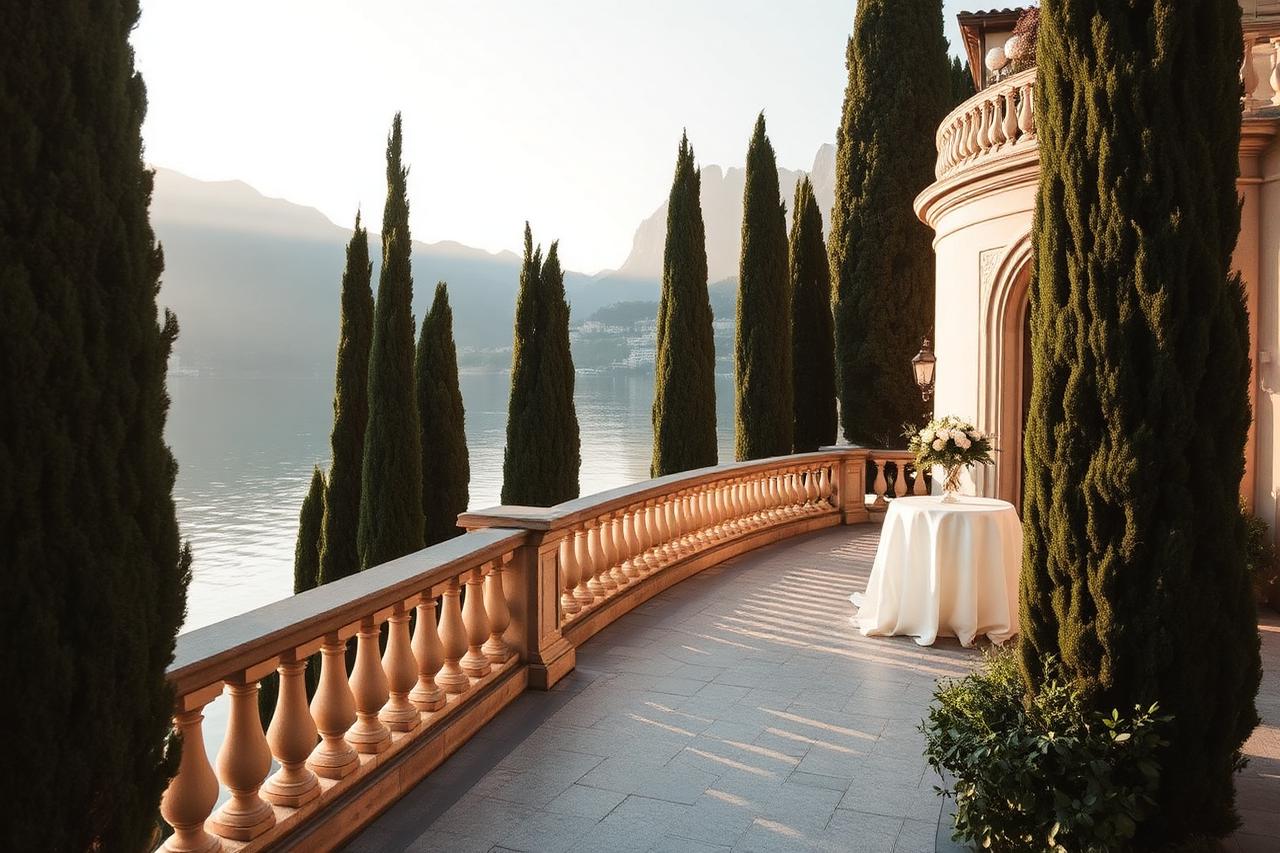 Destination Guide
Lake Como Wedding Venues
Lake Como suits couples who want architecture rather than beach: nineteenth-century villas with terraced gardens, boat arrivals instead of car transfers, and a lake that photographs beautifully from late morning until the light drops behind the mountains.
Leer la guía →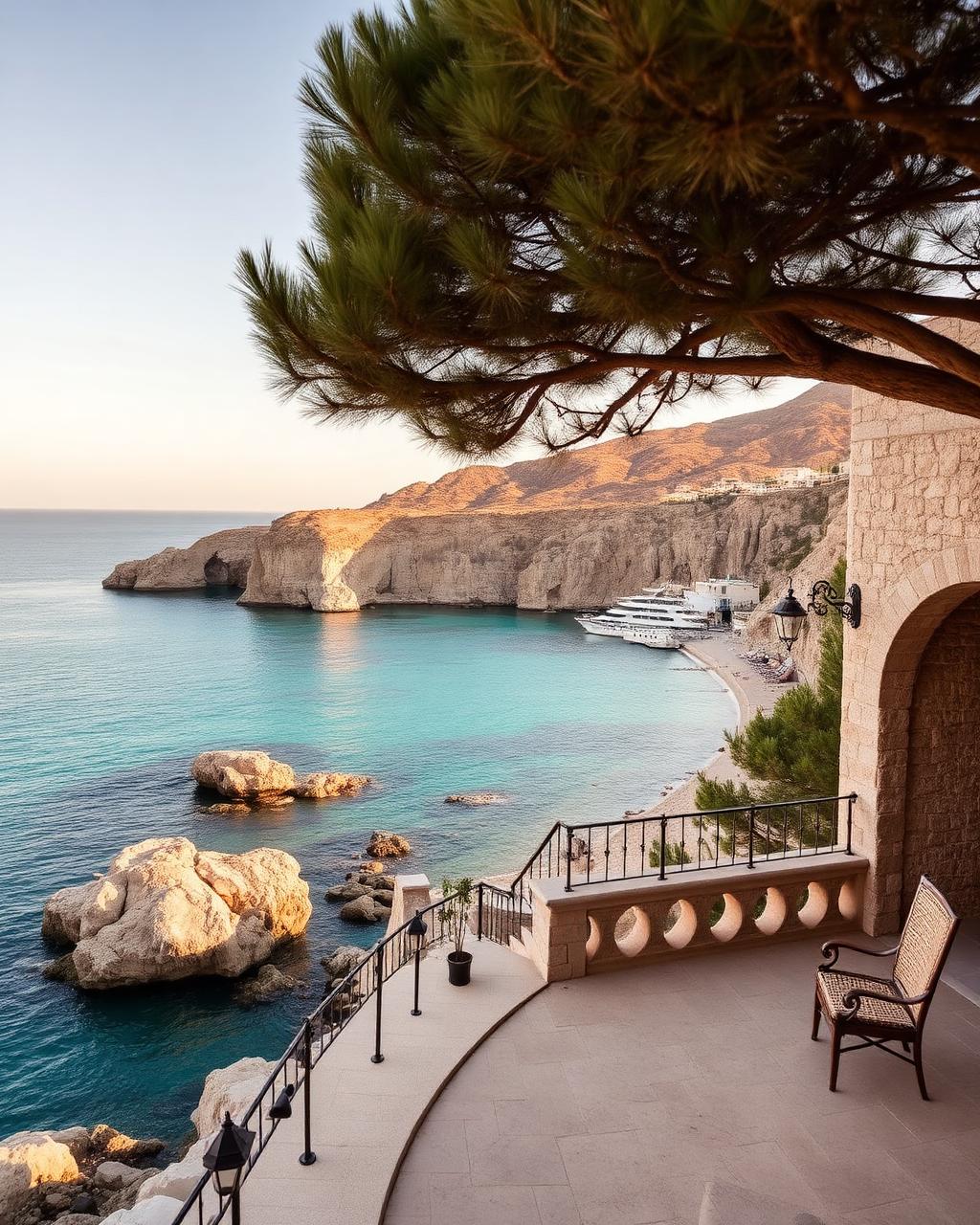 Destination Guide
Sardinia Wedding Venues
Sardinia is the Mediterranean without the queue: granite coves on the Costa Smeralda, inland stone estates near Alghero and Oristano, and a season that stays warm into October — with prices below the mainland's headline destinations.
Leer la guía →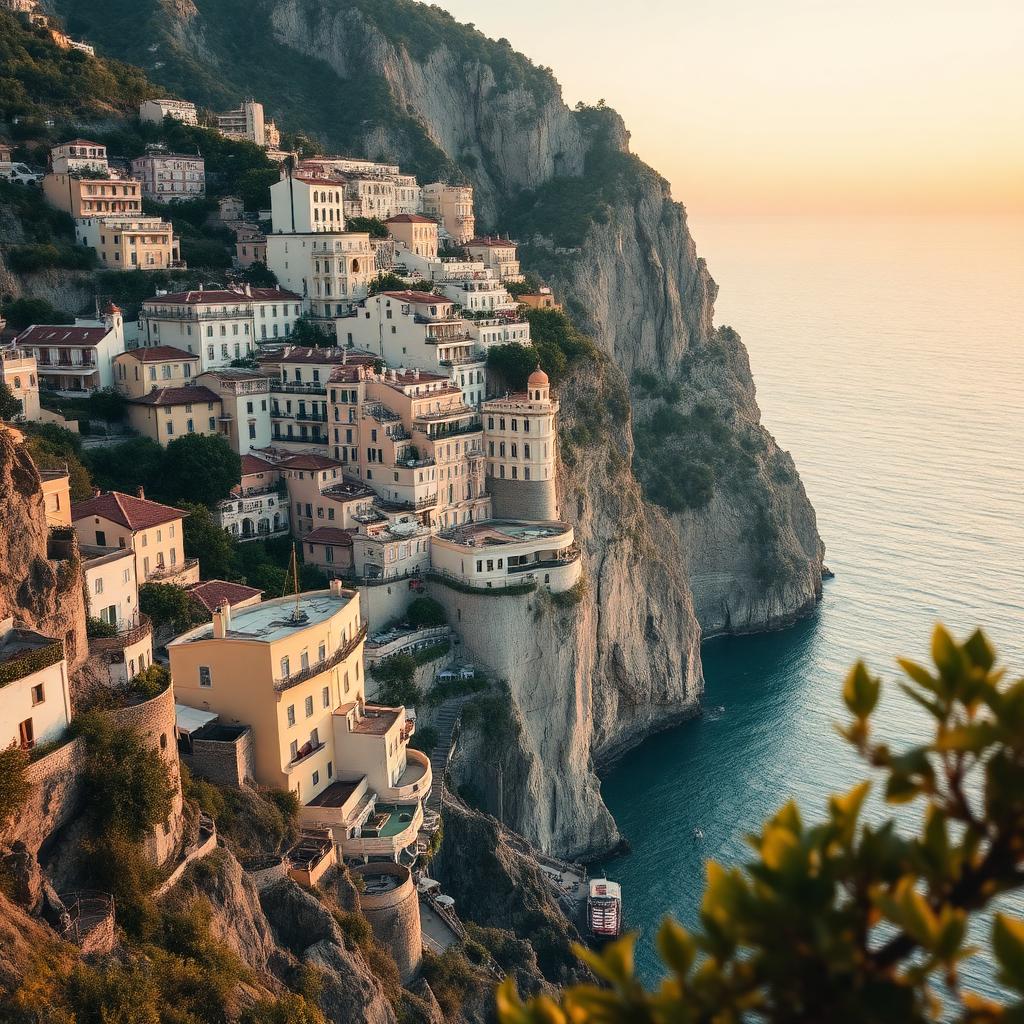 Destination Guide
Amalfi Coast Wedding Venues
The Amalfi Coast trades space for drama: cliffside terraces in Ravello, lemon-grove gardens above Positano and cloisters in Amalfi itself — venues built vertically, which shapes the guest list, the timeline and the shoes.
Leer la guía →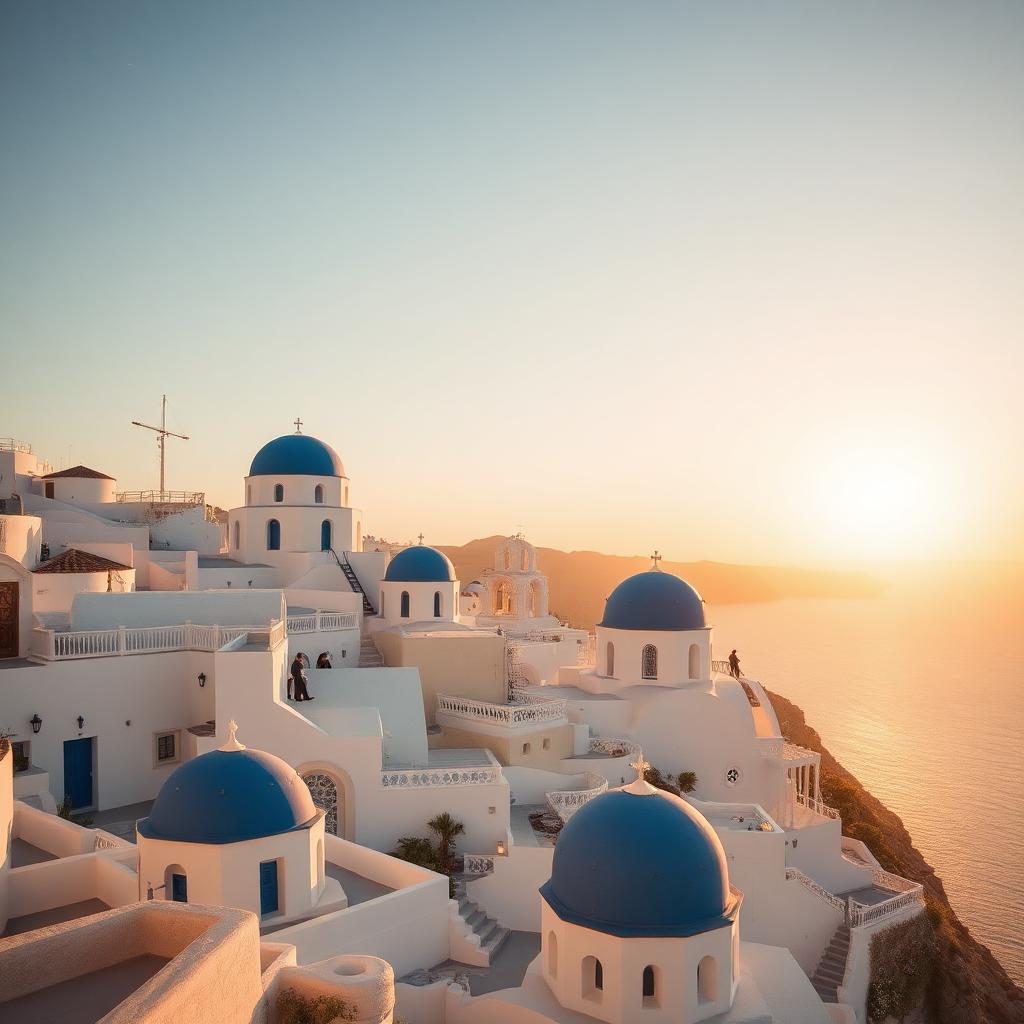 Destination Guide
Santorini Wedding Venues
Santorini is a caldera wedding or a beach wedding, and the two barely resemble each other: cliff terraces in Imerovigli and Oia built for 20 to 80 guests and a sunset ceremony, or open venues in the southeast with room for 150 and no cliff-edge logistics.
Leer la guía →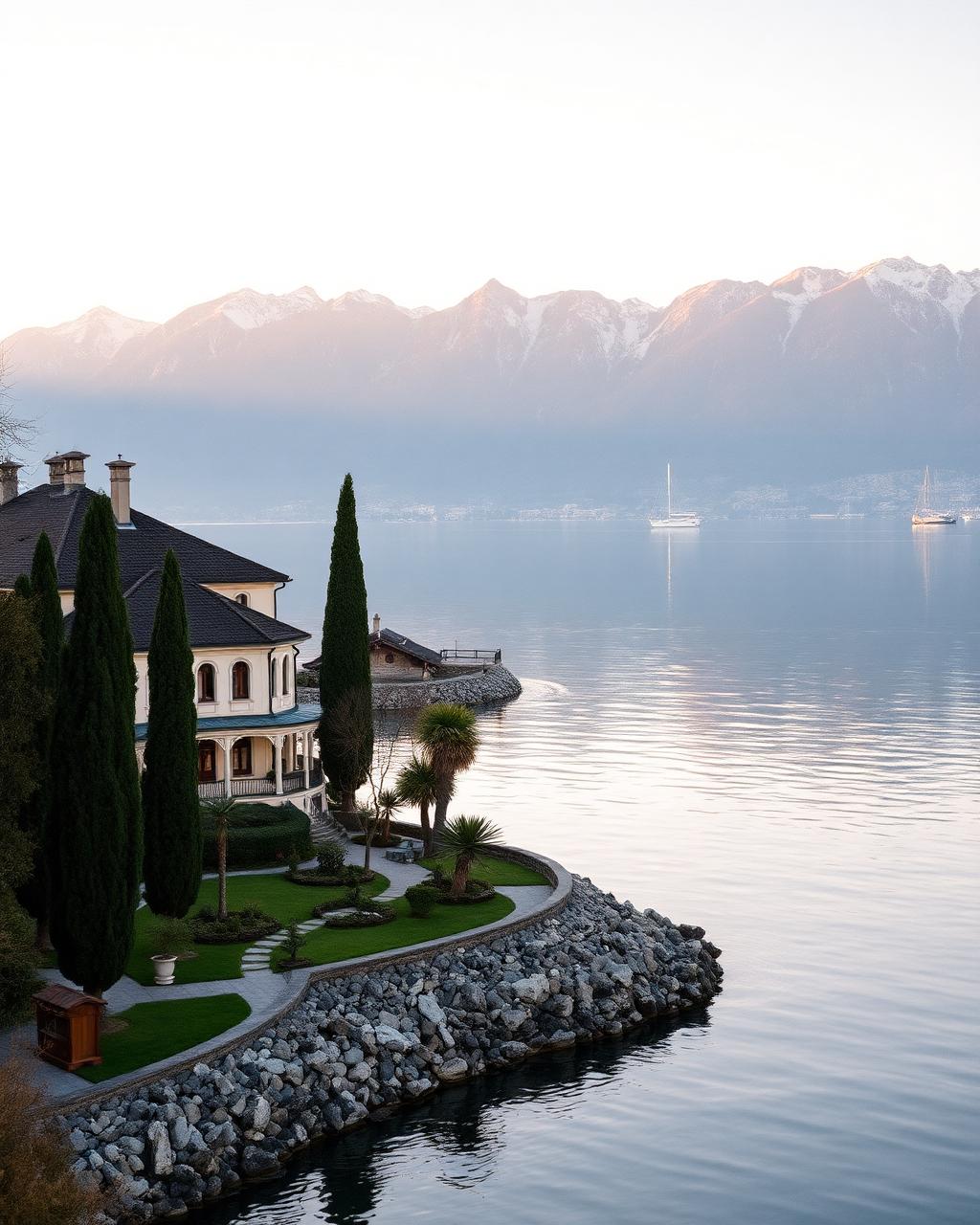 Destination Guide
Locarno & Lago Maggiore Wedding Venues
Ticino gives you Mediterranean scenery with Swiss reliability: palm-lined lake promenades in Locarno and Ascona, villa gardens above the water, and a civil registry process that foreign couples can actually complete on site.
Leer la guía →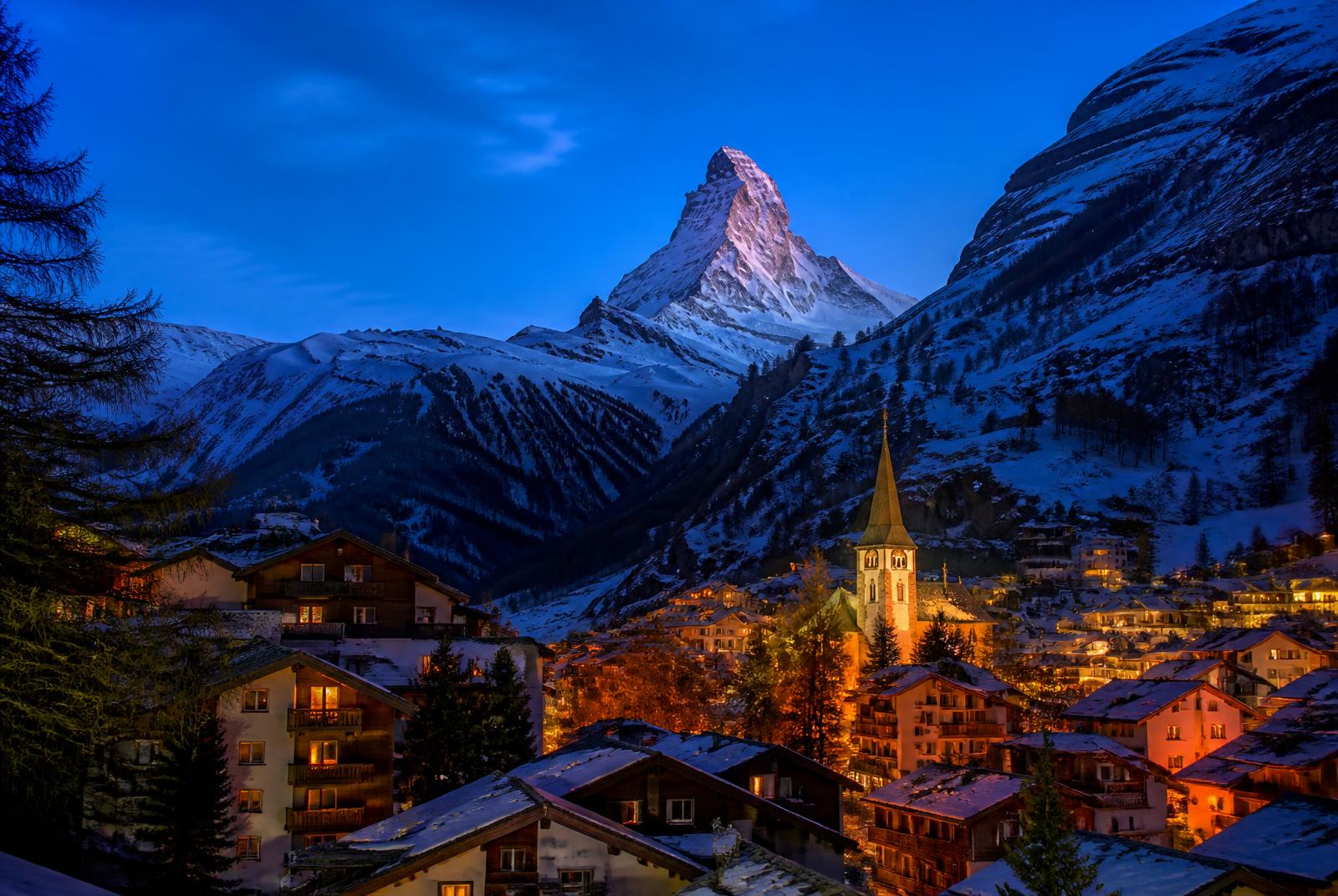 Destination Guide
Zermatt Wedding Venues
Zermatt is a car-free village under the Matterhorn, which makes it one of the few mountain destinations where the backdrop is guaranteed and the logistics are handled by the resort: chapels at altitude, hotel ballrooms in the village, and mountain restaurants reached by cable car.
Leer la guía →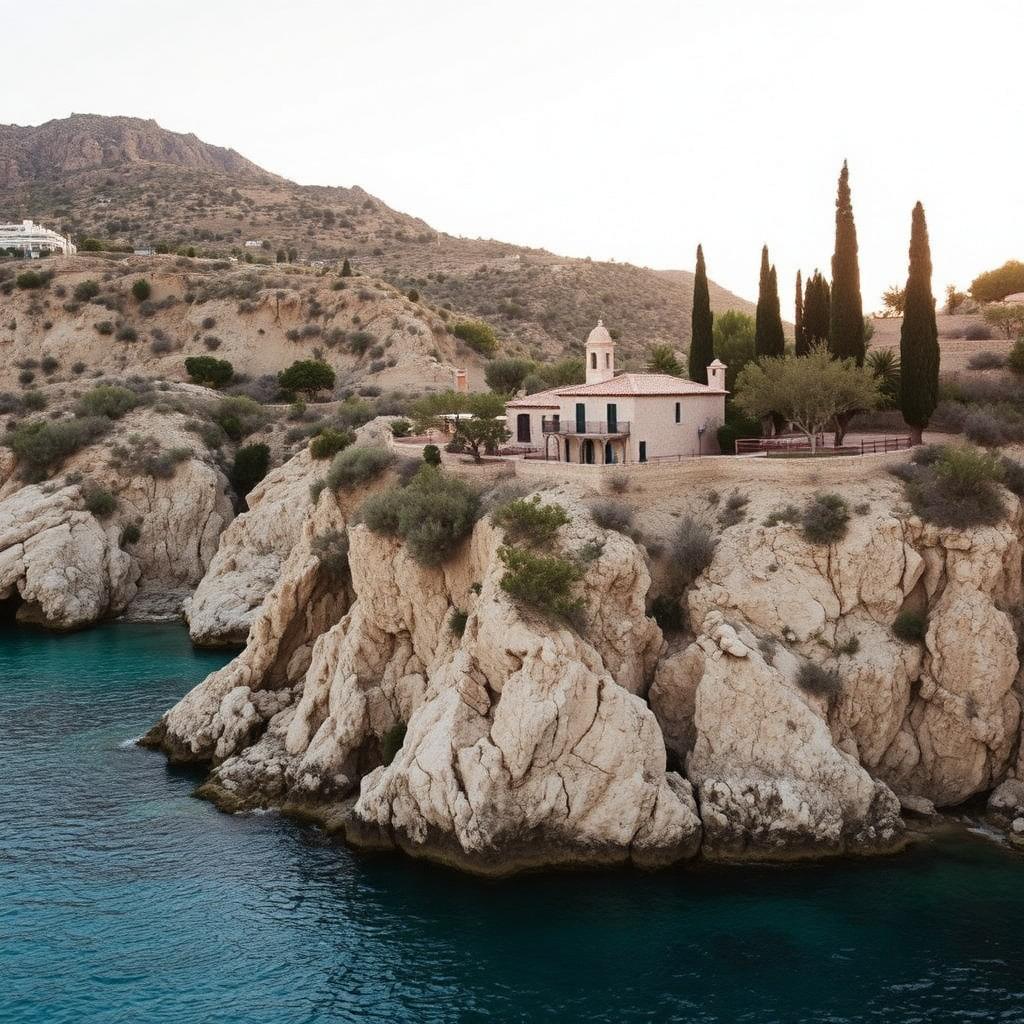 Destination Guide
Crete Wedding Venues
Crete is the one Greek island large enough for a three-day wedding: olive-grove estates inland, five-star resorts on the Elounda coast, Venetian courtyards in Chania and Rethymno, and villas with their own sea-facing terraces — with guest counts from 40 to well past 200.
Leer la guía →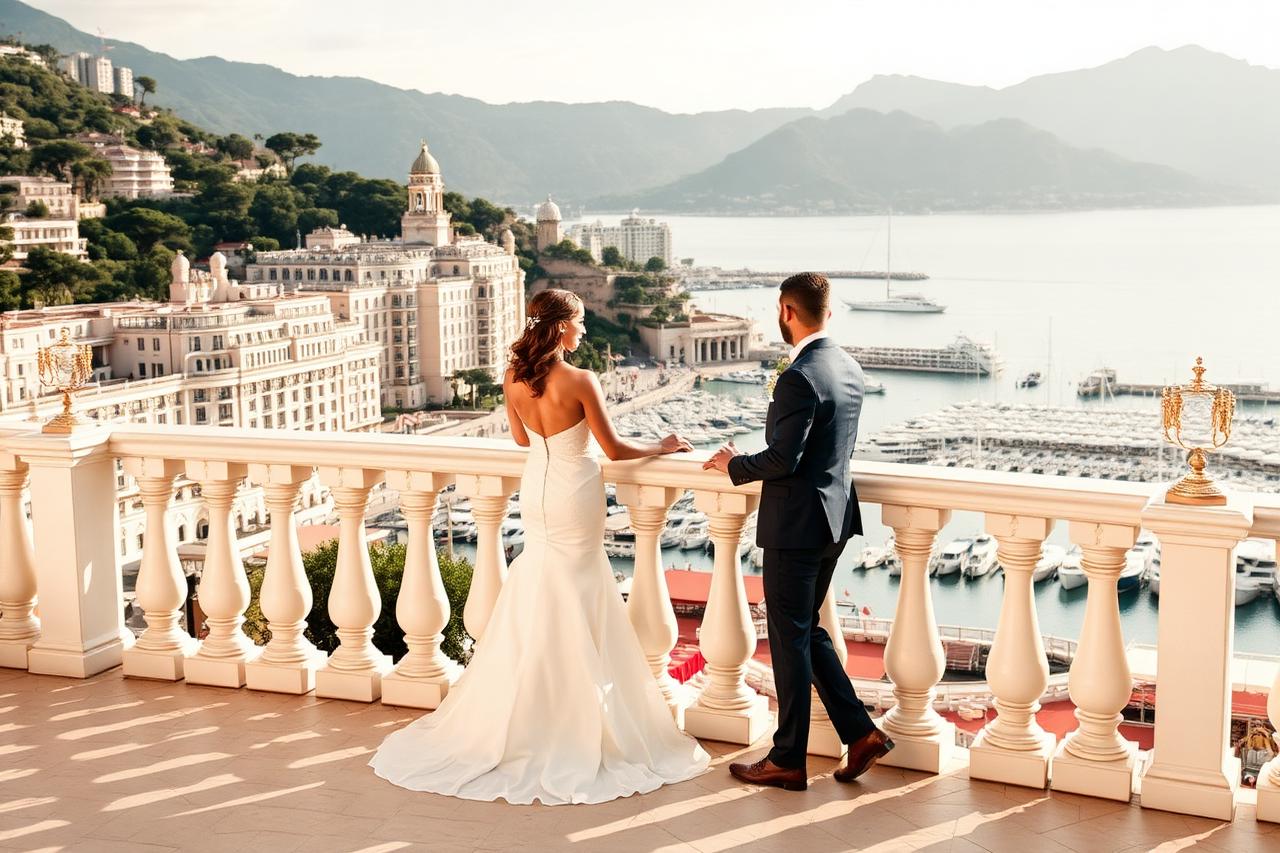 Destination Guide
Monaco Wedding Venues
Monaco is a two-square-kilometre wedding: Belle Époque ballrooms in the Casino quarter, private club terraces above Port Hercule, rooftop gardens in Larvotto and Fontvieille, and chartered yachts — everything within walking distance, and nothing rustic.
Leer la guía →